




Solid H-Shaped Silicone Seal Strip: The Ultimate Sealing Solution for Demanding Applications
June 8, 2026
Introduction
When it comes to industrial sealing solutions, few products offer the versatility and reliability of the solid H-shaped silicone seal strip. Unlike its sponge or foam counterparts, a solid silicone extrusion provides superior compression strength, durability, and long-term performance in challenging environments.
In this article, we'll explore what makes solid H-shaped silicone gaskets unique, their key applications, and why they might be the right choice for your next project.
What Is a Solid H-Shaped Silicone Seal Strip?
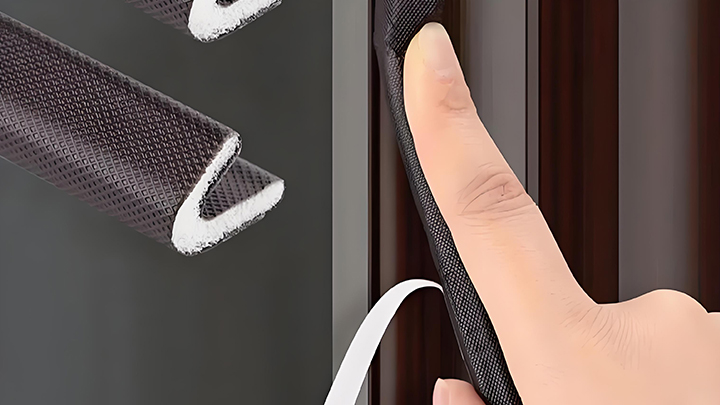
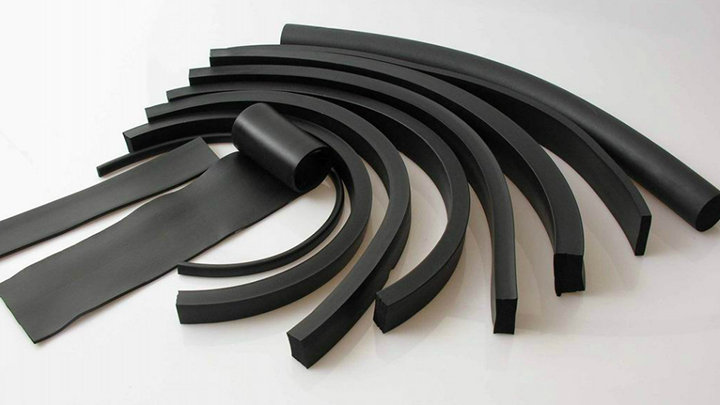
As the name suggests, this seal features an H-shaped cross-section – two parallel channels connected by a central web. The "solid" designation means the material is fully dense (non-cellular), without the air pockets found in sponge or foam rubber.
Key characteristics:
- Dense construction – no air voids, maximum material strength
- H-profile design – grips two parallel surfaces simultaneously
- 100% silicone rubber – excellent thermal and chemical resistance
H-Profile vs. I-Profile: What's the Difference?
| Feature | H-Shaped | I-Shaped |
|---|---|---|
| Cross-section | Two wider flanges with a connecting web | Narrower, more uniform profile |
| Best for | Double-sided sealing, panel-to-panel | Edge protection, single-channel grip |
| Typical use | Glass panels, cabinet doors, vibration mounts | Window frames, trim, protective edging |
Why Choose Solid Over Sponge Silicone?
Many buyers default to sponge silicone for its softness and compressibility. But solid silicone offers distinct advantages:
1. Superior Compression Set Resistance
Solid silicone returns to its original shape more effectively after prolonged compression. This means your seal won't take a "set" – a permanent deformation that leads to leaks.
2. Higher Tensile Strength
Solid extrusions resist tearing and stretching, making them suitable for dynamic applications where the seal moves or flexes repeatedly.
3. Better Abrasion Resistance
In applications involving glass or metal edges, solid silicone holds up longer without surface degradation.
4. Wider Temperature Range
While both types handle extreme temperatures, solid silicone maintains its mechanical properties better at the upper end of the range.
Technical Specifications
| Property | Typical Value |
|---|---|
| Material | 100% Solid Silicone Rubber (VMQ) |
| Hardness | 50-80 Shore A (customizable) |
| Temperature Range | -40°C to +220°C (-40°F to +428°F) |
| Tensile Strength | 7-10 MPa |
| Elongation at Break | 300-600% |
| Compression Set (22h/175°C) | < 20% |
| UV Resistance | Excellent |
| Ozone Resistance | Excellent |
| Waterproof Rating | IP67 / IP68 (when properly installed) |
Common Applications for Solid H-Shaped Silicone Seals
Frameless Glass Windows
The H-profile slips over the edge of a glass panel, creating a weathertight seal against the frame. Solid silicone prevents water ingress while accommodating thermal expansion.
Shower Enclosures & Doors
Unlike sponge seals that can absorb moisture and promote mold growth, solid silicone is non-porous and resists bacterial buildup – ideal for wet environments.
Cabinet Sealing (Industrial & Medical)
Solid H-gaskets provide dustproof and waterproof sealing for electrical enclosures, medical devices, and laboratory equipment. The H-design grips both the door and the cabinet body.
Vibration Damping Mounts
When used as a cushioned interface between two rigid panels, the solid H-profile dampens vibration while maintaining alignment.
Transportation & Marine
Boat hatches, RV windows, and bus paneling all benefit from solid silicone's resistance to salt, UV, and temperature extremes.
How to Choose the Right Dimensions
H-shaped seals are defined by three critical measurements:
| Dimension | Description |
|---|---|
| Total width | Overall width across both flanges |
| Total height | Overall height of the profile |
| Gap (slot width) | Width of each gripping channel |
Pro tip: The gap should be slightly smaller than the thickness of your glass or panel (0.2-0.5mm interference fit) for a secure, non-slip grip.
Installation Tips
Installing solid H-shaped silicone seals is straightforward:
- Clean the panel edge – Remove dust, grease, or old adhesive.
- Lubricate lightly – A diluted soap solution helps the seal slide onto the glass.
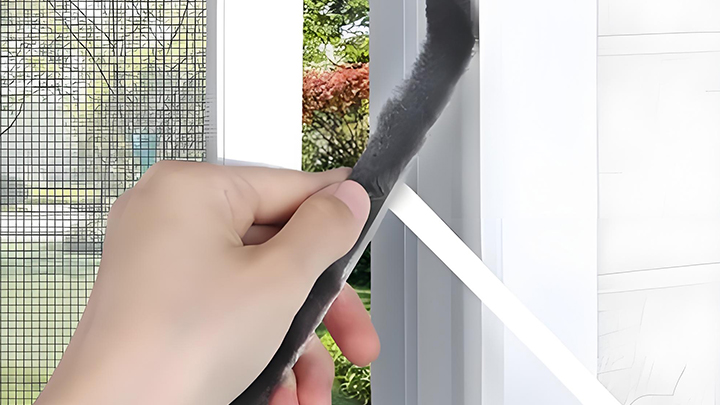
- Push from the center – Start at one end and work your way along, ensuring even seating.
- Trim flush – Use a sharp utility knife for clean cuts at corners.
Note: Solid silicone is less flexible than sponge rubber. For tight radius corners (less than 50mm), consider using pre-formed corner pieces or splicing at 45-degree angles.
Comparison: Solid H-Silicone vs. Other Materials
| Material | Pros | Cons |
|---|---|---|
| Solid Silicone | Wide temp range, food-safe options, UV resistant | Higher cost than EPDM |
| EPDM Rubber | Lower cost, good weather resistance | Poor oil/fuel resistance |
| Neoprene | Good oil resistance | Narrower temp range |
| Sponge Silicone | Softer, more compressible | Lower tear strength |
| PVC | Very low cost | Poor temp range, stiff at low temps |
Sourcing Tips for Buyers
When requesting quotes for solid H-shaped silicone seal strips, provide these details:
- Material grade – General purpose, FDA food-grade, or UL94-V0 flame-retardant?
- Hardness – Shore A value (softer = 40-50A, standard = 60-70A, firm = 80A)
- Dimensions – Drawings or detailed measurements
- Length per roll – Standard rolls are 50m, but 100m/200m available
- Color – Black is standard; white, gray, red available
- Certifications – RoHS, REACH, UL, FDA as needed
Sample strategy: Most suppliers offer 3m or 10m samples for testing before committing to full roll quantities.
Frequently Asked Questions
Q: Can solid H-shaped silicone be spliced into a continuous loop?
A: Yes – using silicone adhesive or heat splicing (for high-temperature grades). For perfect corners, pre-molded corner pieces are recommended.
Q: Is solid silicone food-contact safe?
A: Certain grades are FDA-compliant (CFR 21.177.2600). Specify FDA food-grade when ordering for kitchen equipment or food processing applications.
Q: How does solid silicone perform outdoors?
A: Excellent – silicone is inherently UV and ozone resistant. It outperforms EPDM and neoprene in long-term outdoor exposure.
Q: What's the lead time for custom extrusions?
A: Custom tooling typically takes 2-4 weeks. Once the die is made, production lead time is 1-3 weeks depending on quantity.
Conclusion
The solid H-shaped silicone seal strip is a workhorse product for demanding sealing applications. Its combination of temperature resistance, durability, and the unique double-grip H-profile makes it the go-to choice for frameless glass, enclosures, and vibration isolation.
While it costs more than EPDM or PVC options, the long-term reliability – especially in high-temperature or outdoor environments – justifies the investment.
Ready to source? Look for suppliers who offer:
- ✅ Sample lengths (3m/10m) for testing
- ✅ Full material certifications
- ✅ Custom hardness and color options
- ✅ Bulk roll packaging (50m+ per roll)