




Insert Type Brush Seal for Doors & Windows: Types, Sizes, Installation & Selection Guide
August 13, 2026
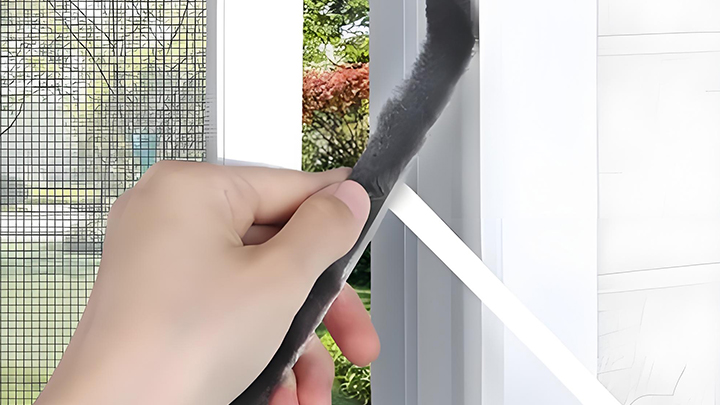
Insert type brush seals are commonly used on doors, windows, sliding systems, cabinets, and other applications where a flexible seal is needed to close gaps while allowing smooth movement. Unlike self-adhesive brush seals, insert type brush seals are designed to fit into a pre-formed groove, channel, or retaining profile, making them a practical choice for replacement and original equipment applications.
Choosing the correct insert brush seal requires more than simply matching the visible brush height. The base width, overall height, groove dimensions, brush density, and sealing gap should all be considered to ensure proper fit and sealing performance.
What Is an Insert Type Brush Seal?
An Insert Type Brush Seal is a brush weather seal with a flexible base or carrier that fits into a dedicated slot or channel.
The brush fibers extend from the carrier and create flexible contact with the opposing surface. As a door, window, panel, or other moving component operates, the fibers can flex while maintaining contact with the sealing surface.
Insert brush seals are widely used for:
- Aluminum doors and windows
- uPVC doors and windows
- Sliding doors and windows
- Screen doors and windows
- Cabinets and enclosures
- Sliding panels
- Furniture
- Industrial equipment
Depending on the design, a brush seal can help reduce the passage of dust, drafts, light, noise, and insects through gaps.
How Does an Insert Brush Seal Work?
An insert brush seal works by placing flexible brush fibers across a gap or along a contact surface.
When the moving component closes or slides into position, the brush fibers bend and conform to the opposing surface. This creates a flexible sealing barrier without significantly restricting movement.
The sealing effect depends on several factors, including:
- Brush height
- Overall seal height
- Base width
- Fiber density
- Sealing gap
- Groove dimensions
- Installation position
For sliding applications, the brush should provide sufficient contact without excessive compression.
Main Parts of an Insert Brush Seal
An insert brush seal generally consists of two main components:
Brush Fibers
The fibers form the flexible sealing section. They can help block dust, air movement, light and other unwanted elements while allowing relative movement between surfaces.
Base or Carrier
The base holds the brush fibers and fits into the installation groove or channel.
The carrier dimensions are particularly important when replacing an existing brush seal because the new seal must fit securely into the original profile.
How to Choose the Correct Insert Brush Seal Size
Selecting the correct size starts with measuring the existing seal and the installation groove.
1. Measure the Groove Width
Measure the width of the slot where the brush seal base is installed.
The replacement seal should have a compatible base width so that it fits securely without being excessively loose or difficult to insert.
2. Measure the Groove Depth
Check the depth of the installation channel to ensure the base can sit correctly inside the profile.
3. Measure the Overall Height
Measure the total height of the existing brush seal, including the base.
This is especially important because suppliers may use different measurement conventions.
Overall Height refers to the total height of the brush seal, including the base or carrier.
4. Measure the Sealing Gap
Measure the actual gap that needs to be sealed.
The selected brush height should provide sufficient contact with the opposing surface without excessive bending or compression.
Does Brush Seal Height Include the Base?
Not always.
This is an important point when purchasing replacement brush seals.
Some suppliers specify pile height, which refers only to the exposed brush fibers. Others specify overall height, which includes both the brush fibers and the base.
For accurate replacement, always confirm which measurement standard is being used.
For example:
Size (W × H)
- W = base/carrier width (3.5mm, 4mm, 5mm, 6mm, 7mm, 8mm, 9mm, 10mm, 11mm, etc)
- H = overall height, including the base
This measurement method provides a complete cross-sectional size and makes it easier to compare replacement products.
Insert Type vs. Self-Adhesive Brush Seal
Insert brush seals and self-adhesive brush seals are designed for different installation conditions.
| Feature | Insert Type Brush Seal | Self-Adhesive Brush Seal |
|---|---|---|
| Installation | Fits into a groove/channel | Adhesive backing |
| Adhesive required | No | Yes |
| Replacement | Easy when a suitable channel exists | Requires removal of old adhesive |
| Surface requirement | Requires compatible groove | Requires clean, flat surface |
| Long installation runs | Suitable | Suitable |
| Typical applications | Door/window profiles, sliding systems | Doors, windows, cabinets, general gaps |
If the door or window already has a dedicated brush-seal channel, an insert type is generally the more appropriate replacement.
For flat surfaces without a dedicated groove, a self-adhesive brush seal may be more convenient.
Insert Brush Seal vs. Fin Seal Brush Strip
Although both products use flexible brush fibers, their construction and installation methods can differ.
Insert Type Brush Seal
Insert brush seals are designed specifically for installation into a slot or retaining channel.
They are commonly used for replacement applications where the original door or window profile already contains a brush-seal groove.
Fin Seal Brush Strip
Fin seal brush strips use a flexible carrier or fin-style structure and are often supplied in longer rolls for continuous sealing applications.
They ca be used on doors, windows, sliding systems, cabinets, and industrial equipment depending on the profile design.
The correct choice depends primarily on the existing installation structure rather than simply the brush height.
Common Applications
Doors and Windows
Insert brush seals are commonly used around aluminum and uPVC door and window systems to help reduce drafts, dust, light and noise.
Sliding Doors and Windows
The flexible brush fibers maintain contact while allowing the panel to move smoothly.
Cabinets and Enclosures
Brush seals can help reduce dust and light entering through gaps around access panels and doors.
Industrial Equipment
Depending on the construction and material, brush seals can be used around moving panels, covers and access doors.
Common Problems When Replacing an Insert Brush Seal
The Seal Is Too Loose
A base that is too narrow for the groove may move during operation.
Possible causes include:
- Incorrect base width
- Oversized installation channel
- Incorrect carrier profile
The Seal Is Too Tight
If the base is too large for the groove, installation may be difficult and could damage the carrier or profile.
The Brush Does Not Reach the Opposing Surface
The overall height may be insufficient for the sealing gap.
A taller brush seal may be required.
The Brush Is Excessively Compressed
If the brush is significantly compressed when the door or window closes, the selected height may be too large for the application.
Excessive compression can increase friction and make sliding operation less smooth.
How to Install an Insert Type Brush Seal
Replacing an insert brush seal is generally straightforward when the correct replacement size is available.
Step 1: Remove the Existing Seal
Carefully remove the old brush seal from the groove.
Step 2: Clean the Channel
Remove dust, dirt and debris from the installation groove.
Step 3: Measure the Existing Seal
Check the:
- Base width
- Overall height
- Groove dimensions
- Sealing gap
Step 4: Select the Replacement
Choose a brush seal with a compatible base and suitable overall height.
Step 5: Insert the New Seal
Feed or press the base into the groove according to the profile design.
Avoid excessive stretching during installation.
Step 6: Check the Seal
Close or slide the door, window or panel and check that the brush makes consistent contact without excessive resistance.
How to Improve Noise Reduction with Brush Seals
Brush seals are not a substitute for acoustic-rated doors or windows, but they can help reduce noise transmission through gaps.
A properly fitted brush seal can reduce the direct path through which sound, drafts and other unwanted elements pass.
For applications where noise reduction is important, consider:
- Crrect brush height
- Adequate fiber density
- Continuous sealing
- Proper installation
- Minimizing gaps at corners and joints
A continuous brush barrier can provide better gap coverage than a poorly fitted seal with interruptions.
How to Choose the Right Brush Seal
Before ordering an insert brush seal, confirm the following:
1. Installation Type
Does the existing profile use an insert groove?
2. Base Width
What width is required for the channel?
3. Overall Height
What is the total height of the existing seal?
4. Sealing Gap
How large is the gap that needs to be covered?
5. Fiber Type and Density
What level of flexibility and sealing contact is required?
6. Color
Choose a color suitable for the door, window or frame.
7. Length
Determine whether you need a short replacement length or a longer roll for production use.
Frequently Asked Questions
What is an insert type brush seal?
An insert type brush seal is a flexible brush weather seal designed to fit into a dedicated groove, slot or retaining channel.
How do I measure an insert brush seal?
Measure the base width, overall height, groove dimensions and sealing gap. Always confirm whether the stated height includes the base.
Does overall height include the base?
Yes. Overall Height refers to the total height of the brush seal, including the base or carrier.
What is the difference between pile height and overall height?
Pile height normally refers to the exposed brush fibers, while overall height includes both the fibers and the base. However, measurement conventions can vary by supplier, so always confirm the specification.
Can insert brush seals be used on aluminum windows?
Yes. Insert brush seals are commonly used with aluminum door and window profiles when the profile has a compatible groove.
Can I replace an old brush seal with a different height?
You can, but the replacement should be selected according to the sealing gap and available clearance. A seal that is too tall may create excessive friction, while one that is too short may not seal the gap effectively.
What if I do not know the size of my existing brush seal?
Measure the existing seal and the installation groove. If possible, provide a photo and the measured dimensions of the base and overall height when requesting a replacement.
Conclusion
Choosing the right Insert Type Brush Seal for Doors & Windows starts with the installation profile and sealing gap. The most important measurements are the base width, overall height, groove dimensions and sealing gap.
For replacement applications, matching the original profile is usually the safest approach. For new installations, select the brush height and carrier dimensions based on the available groove and required sealing performance.
If you are unsure which size to choose, provide the groove width, groove depth, existing seal dimensions and sealing gap to your supplier for size confirmation.