




Vacuum Packaging Machine Silicone Seal Strip: Complete Replacement & Selection Guide
August 3, 2026
Vacuum packaging machines rely on high-quality sealing components to create airtight packaging and maintain product freshness. The silicone seal strip is one of the most important parts of the sealing system, providing a flexible sealing surface between the sealing bar and packaging film.
Over time, silicone seal strips may wear, deform, or lose elasticity due to repeated heating and compression. Replacing the seal strip with the correct size and material helps maintain consistent sealing performance.
This guide explains how vacuum packaging machine silicone seal strips work, how to choose the right specification, and when replacement is required.
1. What Is a Vacuum Packaging Machine Silicone Seal Strip?
A vacuum packaging machine silicone seal strip is a heat-resistant silicone rubber component installed on the sealing bar of vacuum packaging equipment.
During the sealing process:
- The vacuum pump removes air from the package.
- The sealing bar applies heat and pressure.
- The silicone seal strip provides a soft contact surface.
- The packaging film melts and forms an airtight seal.
Silicone is widely used because it offers:
- High temperature resistance
- Excellent elasticity
- Long compression life
- Food-contact compatibility (when specified)
- Resistance to moisture and chemicals
2. Common Applications
Vacuum packaging silicone seal strips are used in:
Food Packaging Equipment
- Vacuum chamber machines
- Commercial vacuum sealers
- Meat packaging machines
- Seafood packaging machines
- Cheese and dairy packaging equipment
Industrial Packaging
- Electronic component packaging
- Medical product packaging
- Laboratory vacuum packaging
- Industrial preservation systems
3. Why Replace Vacuum Sealer Silicone Seal Strips?
A worn silicone seal strip may cause:
Poor Vacuum Performance
Damaged sealing surfaces allow air leakage.
Weak or Incomplete Seals
Common symptoms:
- Wrinkled sealing lines
- Air returning into bags
- Uneven heat sealing
Increased Machine Downtime
A small sealing component failure can reduce production efficiency.
Replacement is recommended when the strip shows:
- Cracks
- Flattening
- Permanent deformation
- Surface damage
- Loss of elasticity
4. How to Choose the Right Silicone Seal Strip?
1. Check the Cross Section Size
The sealing strip must match the sealing bar groove.
Common measurements:
- Width × Height
- Diameter
- Profile shape
Example:
6 × 12 mm Silicone Seal Strip
17 × 12 mm Silicone Seal Strip
15 × 15 mm Silicone Seal Strip
2. Select the Correct Silicone Grade
Different applications require different silicone performance.
Standard Silicone
Suitable for:
- General vacuum packaging
- Food packaging machines
High Temperature Silicone
Suitable for:
- Continuous production
- Industrial packaging equipment
Typical temperature range:
-40°C to +200°C
3. Consider Solid Silicone vs Foam Silicone
Solid Silicone Seal Strip
Advantages:
- Higher compression resistance
- Better sealing pressure
- Longer service life
Recommended for:
- Vacuum chamber machines
- Heavy-duty packaging equipment
Silicone Foam Seal Strip
Advantages:
- Softer compression
- Better gap compensation
Recommended for:
- Uneven sealing surfaces
5. Silicone Seal Strip Replacement Guide
Step 1: Remove Old Seal Strip
Clean the sealing groove and remove adhesive residue.
Step 2: Measure Original Size
Measure:
- Width
- Height
- Length
Step 3: Install New Silicone Strip
Ensure:
- Flat installation
- No twisting
- Proper compression
Step 4: Test Vacuum Sealing
Check:
- Vacuum level
- Seal strength
- Uniform sealing line
6. Silicone Seal Strip vs Other Materials
Material Temperature Flexibility Application
Silicone High Excellent Vacuum packaging
EPDM Medium Good Outdoor sealing
NBR Medium Good oil resistance Industrial sealing
PVC Low Medium Light-duty applications
For vacuum packaging machines, silicone is usually preferred because of its heat resistance and repeated compression performance.
7. How Long Does a Vacuum Packaging Silicone Seal Strip Last?
Service life depends on:
- Machine operating frequency
- Temperature setting
- Compression pressure
- Cleaning method
- Packaging material
Regular inspection helps prevent unexpected sealing failures.
8. Custom Silicone Seal Strip Manufacturing
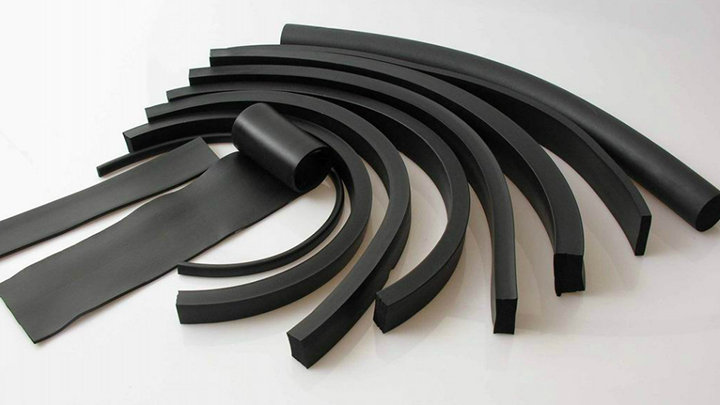
For industrial vacuum packaging applications, custom silicone seal strips can be produced according to:
- Custom cross-section
- Custom length
- Different hardness
- Different colors
- Food-grade silicone requirements
Conclusion + CTA
A reliable vacuum packaging machine silicone seal strip is essential for maintaining airtight packaging performance. Selecting the correct silicone material, profile size, and hardness can improve sealing quality and reduce machine downtime.
Explore our Vacuum Packaging Machine Silicone Seal Strip solutions for replacement parts and custom sealing applications.