





By Application
1. Building & Construction Applications
Windows & Doors
Weatherstripping: EPDM, silicone, or TPV strips around operable windows and doors to prevent air/water infiltration
Glazing Gaskets: Silicone or EPDM gaskets for sealing glass in frames (curtain walls, storefronts)
Threshold Seals: Heavy-duty aluminum or vinyl seals with rubber inserts for door bottoms
Expansion Joints: Foam-backed seals for concrete/masonry movement joints
Roofing & Wall Systems
Roof Penetration Seals: Pre-formed rubber boots and gaskets for pipes/vents
Panel Joint Seals: EPDM or neoprene seals between prefabricated wall/roof panels
Perimeter Seals: Closure strips at roof edges and parapets
Specialized Areas
Fire/Smoke Seals: Intumescent strips that expand with heat to seal openings
Acoustic Seals: High-density foam for soundproofing rooms and studios
Cleanroom Seals: Silicone or EPDM with smooth, non-porous surfaces
2. Automotive & Transportation Applications
Vehicle Body Seals
Door Seals: EPDM sponge-over-solid extrusions with metal carriers
Window Seals: Glass run channels (often TPV or EPDM)
Trunk/Hatch Seals: Bulb-type or T-seals for rear closures
Sunroof Seals: Specialized dual-lip designs for sliding roofs
Engine & Chassis
Engine Bay Seals: High-temperature silicone for hood seals
Fuel System Seals: Nitrile rubber for fuel resistance
Suspension Seals: Polyurethane for high-load applications
Public Transportation
Bus/Train Door Seals: Heavy-duty EPDM with reinforced corners
Rail Car Seals: Vibration-resistant designs for high-mileage use
Aircraft Seals: Lightweight, high-performance materials for cabin doors and windows
3. Industrial & Machinery Applications
Enclosures & Cabinets
Control Panel Seals: Closed-cell foam (EPDM or neoprene) for NEMA/IP ratings
Electrical Enclosure Seals: UL-rated materials for hazardous locations
Junction Box Seals: Simple foam or rubber gaskets
Process Equipment
Oven & Furnace Seals: High-temperature silicone or ceramic fibers
Chemical Tank Seals: PTFE or fluorosilicone for aggressive chemicals
Pump & Compressor Seals: Mechanical seal support gaskets
Material Handling
Conveyor Seals: Urethane or rubber skirtboard seals
Dust Collection Seals: Felt or brush seals around access doors
Hopper & Bin Seals: Flexible flange gaskets
4. Appliance & Consumer Products
Major Appliances
Refrigerator/Freezer: Magnetic door gaskets (vinyl or TPE)
Oven/Range: High-temperature silicone door seals
Dishwasher: Antimicrobial seals around doors and tubs
Washing Machine: Door boot seals and tub gaskets
Electronics & Cabinetry
Audio/Video Equipment: Acoustic foam for speaker cabinets
Server Racks: EMI/RFI shielding gaskets
Instrument Cases: Custom-molded foam inserts
5. Specialized & Niche Applications
Medical & Laboratory
Autoclave/Sterilizer Seals: High-temperature, high-pressure silicone
MRI Room Seals: Copper-based RF shielding gaskets
Clean Bench/Isolator Seals: Glove port and transfer hatch seals
Food Processing
Processing Equipment: FDA-approved silicone or EPDM
Walk-in Coolers: Heavy-duty door seals with heaters
Conveyor Covers: Clear vinyl or rubber strip curtains
Marine & Offshore
Hatch & Portlight Seals: UV-resistant EPDM or neoprene
Deck Seals: Non-skid surfaces on marine hatches
Submarine/Pressure Seals: High-compression designs
6. Energy & Infrastructure
Renewable Energy
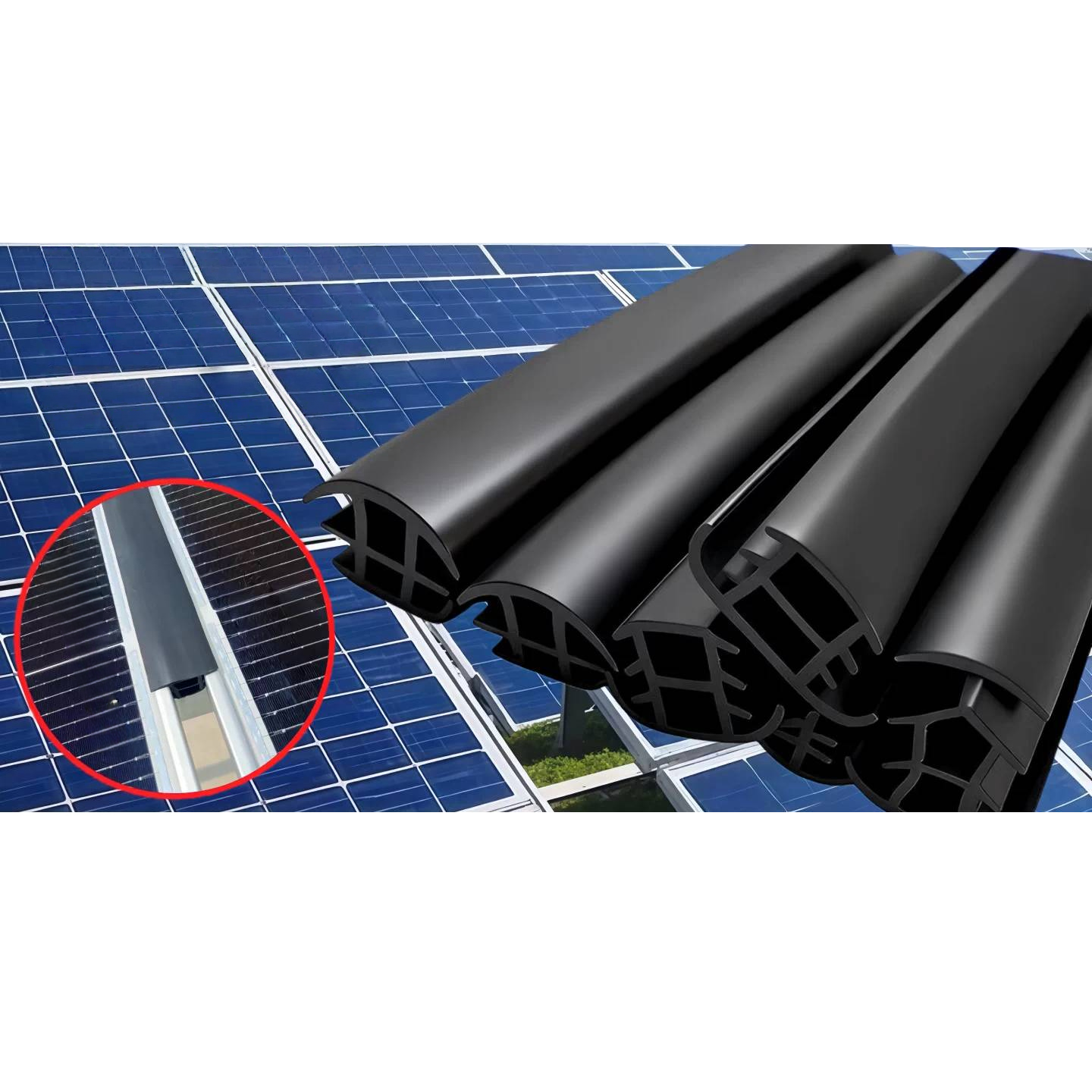
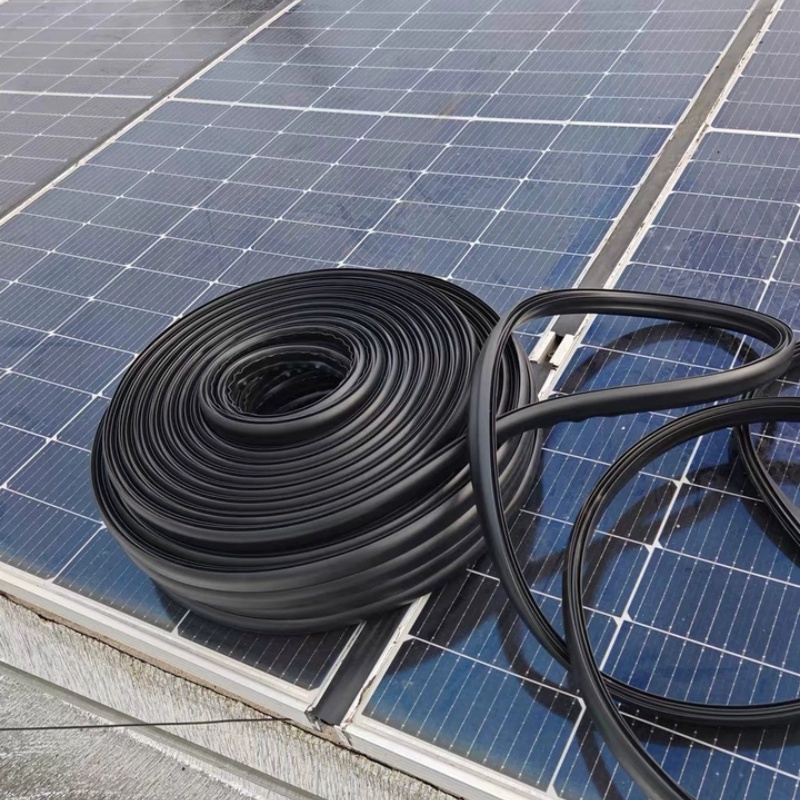
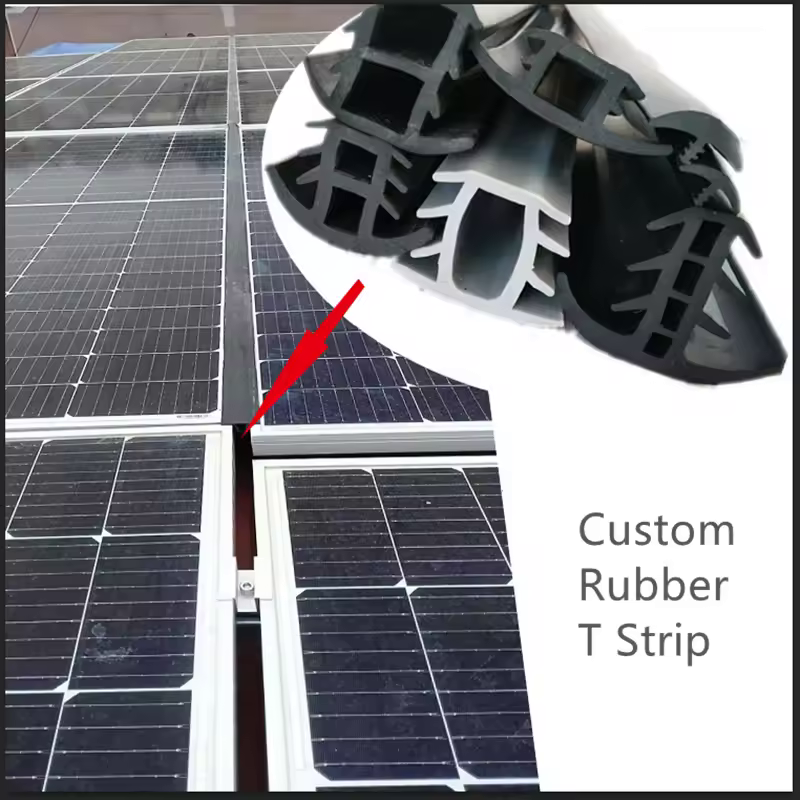
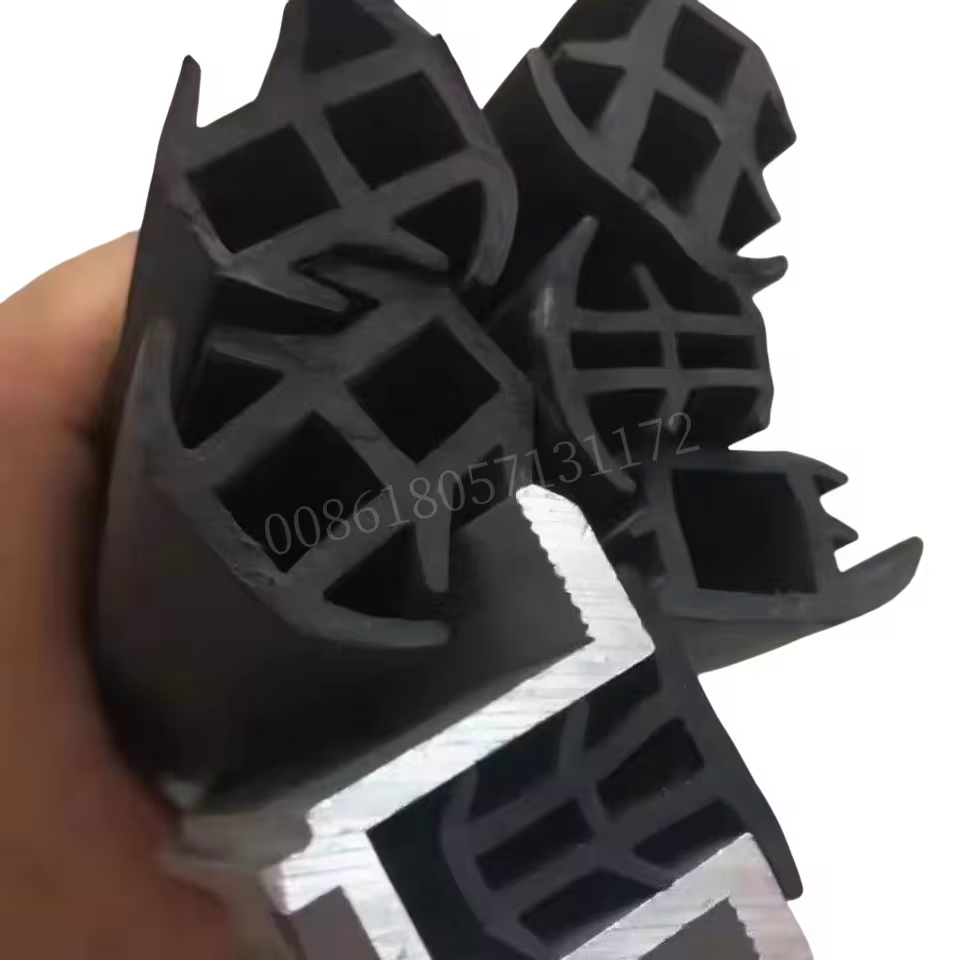
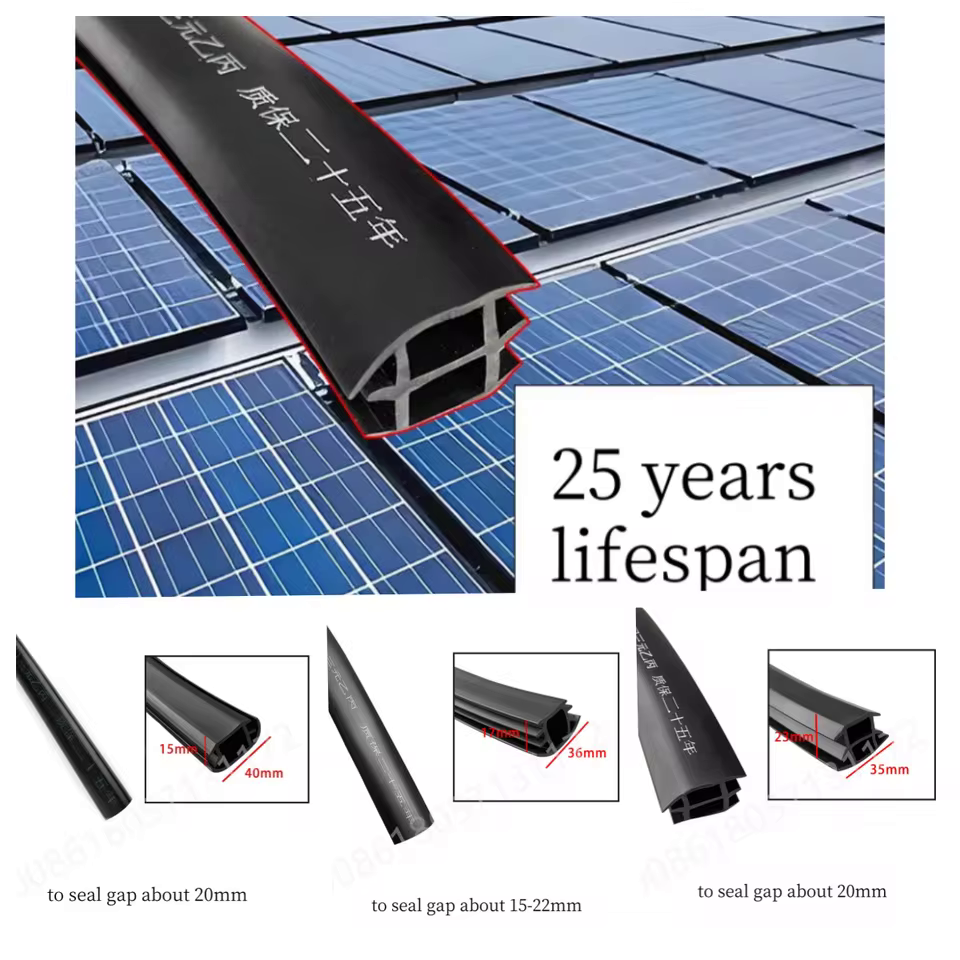
Solar Panel Seals: UV-resistant materials for mounting systems
Wind Turbine Seals: Nacelle and tower door seals
Battery Enclosure Seals: Fire-resistant materials for energy storage
Utilities & Infrastructure
Manhole Seals: Inflatable or compression seals
Pipe Penetration Seals: Modular sealing systems
Tunnel Seals: Fire and water seals in transit tunnels
Application-Specific Material Guide
Application Critical Requirements Recommended Materials
Building Windows Weather, UV, longevity EPDM, TPV, Silicone
Automotive Doors Compression set, appearance Sponge-over-solid EPDM, TPV
Industrial Enclosures Chemical, IP rating Closed-cell EPDM/Neoprene
High-Temperature Ovens Heat resistance (>200°C) Silicone, Ceramic fibers
Food Equipment FDA compliance, cleanability Platinum-cure Silicone, FDA EPDM
Medical Sterilizers Steam/chemical resistance High-temp Silicone, FKM
Outdoor Marine Saltwater/UV resistance Marine-grade EPDM, Neoprene
Acoustic Rooms Sound transmission loss High-density foam, Composite
EMI Shielding Conductivity, corrosion resistance Silver-aluminum filled Silicone
Fire Doors Intumescence, smoke sealing Intumescent graphite, Ceramic
Selection Considerations by Application
For Building/Construction:
Expected lifespan (20+ years for buildings)
Movement accommodation (thermal expansion)
Local building code compliance
Installation method (adhesive, mechanical)
For Automotive:
Design life cycles (10-15 years)
Aesthetic requirements (color, surface finish)
Assembly line compatibility
Warranty periods
For Industrial:
Maintenance accessibility
Chemical exposure specifics
Temperature cycling frequency
Regulatory standards (UL, NSF, etc.)
For Consumer Products:
User safety (non-toxic, no sharp edges)
Cost targets
Appearance and "feel"
Ease of cleaning
Emerging Application Areas
EV Battery Sealing: Fire-blocking, thermal management seals
Data Center Sealing: Hot/cold aisle containment, fire protection
Smart Building Seals: Integrated sensors for maintenance monitoring
Modular Construction: Prefabricated seal systems for faster assembly
Green Building: Recycled content seals, improved thermal performance
The choice of sealing solution depends not only on the physical environment but also on industry-specific standards, expected product lifetime, and total cost of ownership. Proper selection requires balancing performance requirements with practical considerations like installation methods and maintenance needs.
4 Item(s)
Filter
All Items/In Stock
Category
Sort
Price Range
$
$
Total: 4, Page 1 of 1
- 1